
Bee Apprentice
·
Bee Apprentice ·
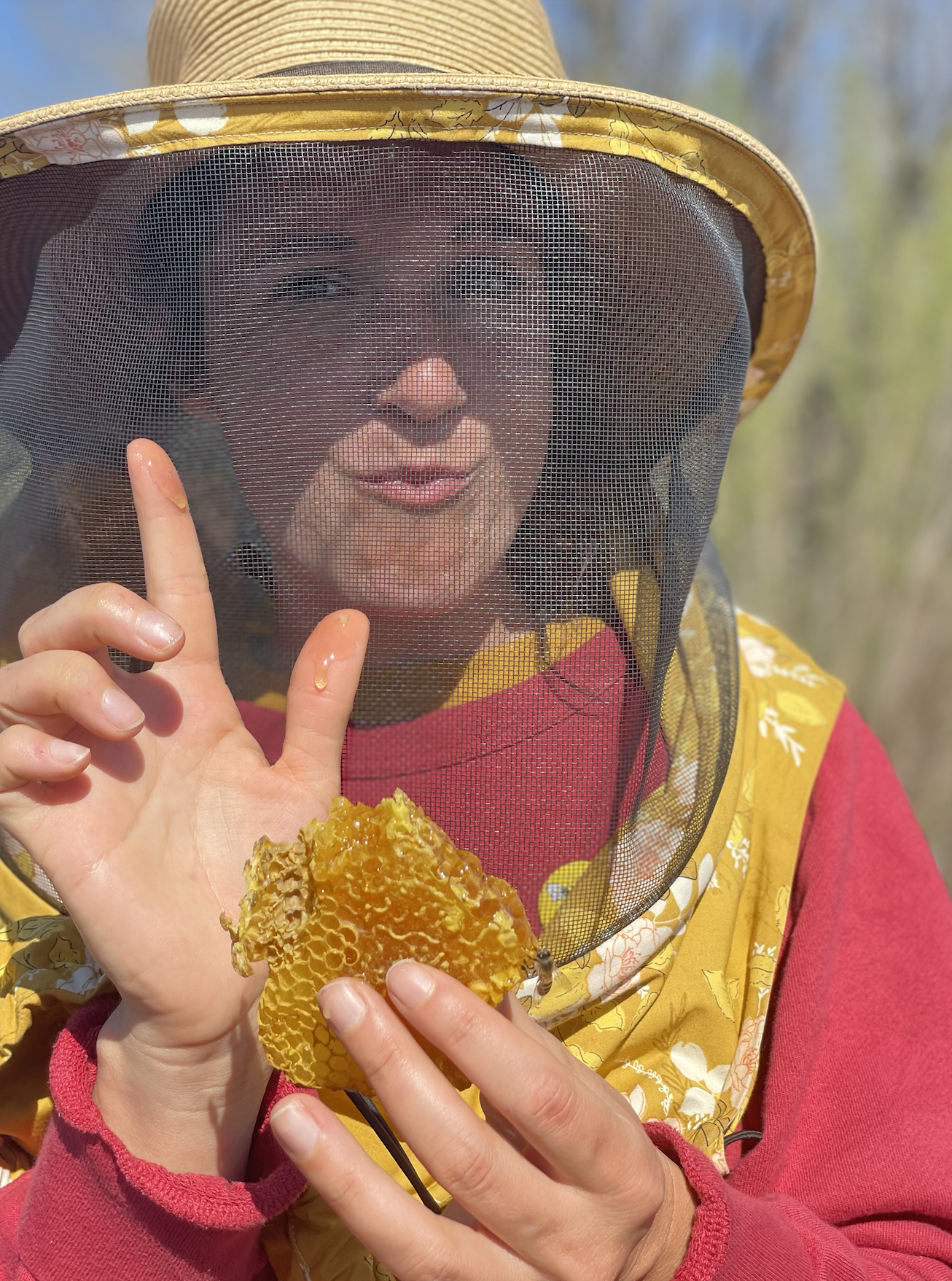
A Season Long Beekeeping Experience with Sister Creek Hives
Bee Apprentice is a ten month, hands on beekeeping apprenticeship designed for those who want to learn beekeeping through hands-on, slow-beekeeping practices, and build a real relationship with their bees. Rooted in ethical, bee first practices, this program invites you into the natural rhythm of the hive from winter through harvest in the Texas Hill Country.
This immersive beekeeping experience follows a full season alongside the bees. You’ll develop practical, real world beekeeping skills through close observation, steady practice, and consistent time in the apiary, building the confidence that comes from working in harmony with the bees.
What You Will Experience
From January through October, you’ll follow the natural arc of the beekeeping year. You’ll learn to read the bees and conditions within the hives and gain confidence responding intuitively to what the bees need. At Sister Creek Hives, we work with the colony rather than against it, honoring the wisdom of the bees.
You’ll gain experience with Langstroth, Long Lang, and Top Bar hives across Sister Creek Hives teaching apiaries. Lessons focus on chemical free, mindful beekeeping practices that support strong, resilient colonies built for long term hive health.
Topics include
Understanding colony behavior and seasonal rhythms
Safe and confident hive inspections
Natural pest and disease management
Making splits and collecting swarms
Honey harvesting and end of season planning
This program is designed to help you think like a steward of the bees.
Learning Format
Bee Apprentice guides small groups learning hands-on with direct time in the apiary. Expect one to two Zoom classes per month, with all sessions recorded for later viewing, and one weekend per month spent hands-on in the apiary. During split and swarm season, there are additional opportunities to gain field experience.
The program includes four private hive inspections. If you do not yet have bees, these sessions will take place at a Sister Creek Hives apiary. If you do have bees, support is centered on your own hives. *Mileage fees apply. .
A Small Group, Community Centered Experience
Bee Apprentice is intentionally kept small to allow for deeper learning, meaningful conversations, and plenty of time for questions. Skills are built steadily through observation, repetition, and guided inspections, helping confidence grow naturally over the season.
This program attracts people who are curious, thoughtful, and committed to ethical beekeeping. Many leave with lasting friendships, practical confidence, and a strong connection to the Sister Creek Hives community.
If you are ready to move beyond theory and into real world beekeeping, this season long experience is your invitation.
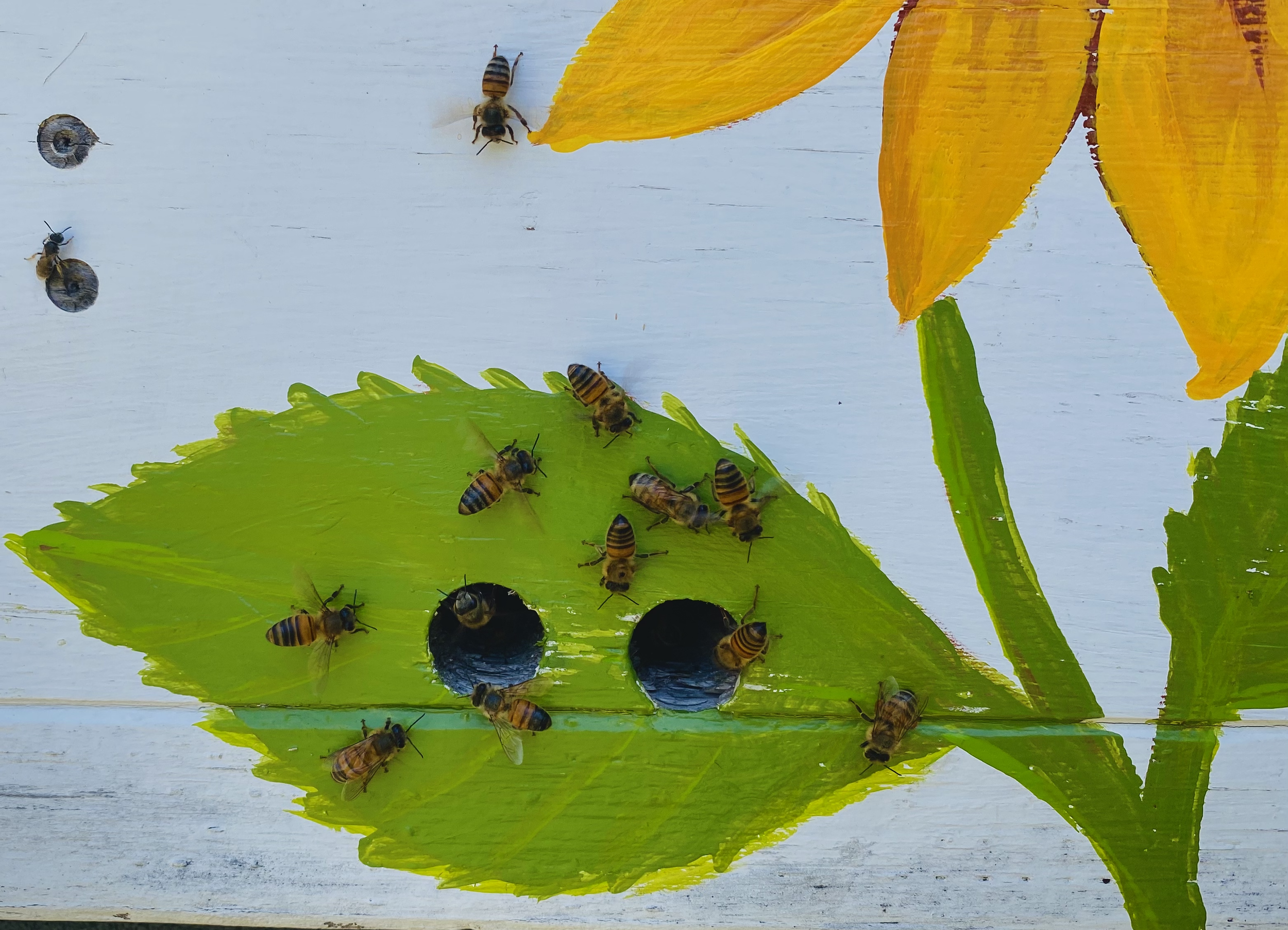
Bee Apprentice A Hands On Beekeeping Journey
Early Bird Special $185 per month
Sign up by December 31, 2026 with a $100 deposit *applied to your first month payment
Regular Price $240 per month
$100 deposit required to sign up
Classes run January through October 2027
1 to 2 Zoom classes per month with all lessons recorded
One weekend per month hands on in the apiary
Opportunities to gain additional experience making splits and collecting swarms
Includes four private inspections in your own bees or at a Sister Creek Hives apiary if you do not yet have bees. *Milage fees apply
In Person Syllabus
1 Weekend Each Month - Final Dates TBD
January
Assembling Beekeeping Equipment: Top Bar Hives, Langstroth Frames & Supers
Painting & Weatherizing Hives
Preparing Swarm Boxes
Recommended Reading: Song of Increase by Jacqueline Freeman
February
Waxing Plastic Foundations
Rescue Bars: Top Bar Hive
Hanging and Baiting Swarm Boxes
Hive Inspections: Post Winter Assessments weather permitting
March
Hive Inspections: Space Management
Early Spring Feeding: What & Why?
Colony Health Assessments: Brood Nest Inspections
Identifying Early Signs of Swarming
Making Splits- Leveraging Swarm Cells & Mini Mating Nucs
April
Hive Inspections: Signs of Swarming & Brood Nest Expansion
Equalizing Colonies: Sharing Resources
Making Splits: Walk Away vs Swarm Cells
Option to join multiple times throughout the month.
Identifying a Nectar Flow
Installing Nucs and Packages
Identify Queens & Drones in a Colony
Recommended Reading for May: Honey Bee Diseases and Pests
May
Hive Inspections: Identifying Pests and Diseases
Managing for Varroa Mites: Harbo and Sugar Wash
How to Re-queen a Hive
June
Hive Inspections: Colony Health Assessments
Dearth Management
Robbing Behavior vs. Orientation Flights
Preparing for Honey Harvest
July
Hive Inspections: Varroa Management, Brood Breaks & Re-queening
Summer Feeding: What & Why?
Honey and Wax Harvest
August
Hive Inspections: Identifying Stress in the Hive
Preparing for Fall Splits and Combines
September
Hive Inspections: Fall Combines & Equalizing Resources
Brood Health Assessment: Case Studies from the Apiary
Fall Feeding: What & Why?
October
Hive Inspections: Space Management in the Hive
Assessment of Winter Resources in the Hive
Winter Feeding: What & Why?
Winterizing the Apiary
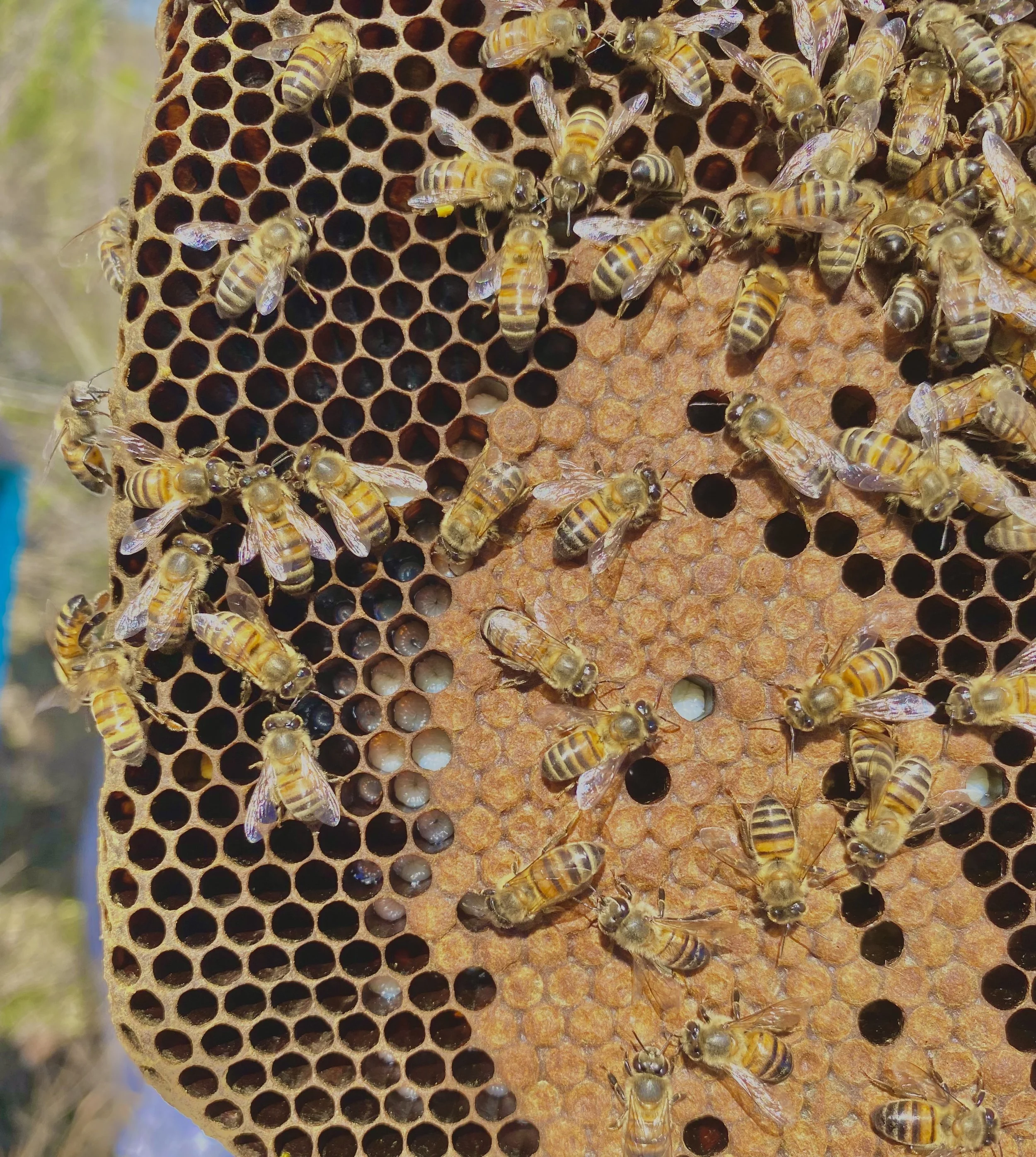
Virtual Syllabus
Final Dates TBD
January
Week 1
Welcome: Meet & Greet!
Course Review
What are the bees doing now?
How to Check Your Bees During Winter Months
Week 2
Apiary Setup
Beekeeping Equipment- Get Your Gear Ready!
Humanity’s Relationship with Honey Bees: From Predators to Protectors
Hive Resources - Wax, Honey, Propolis etc.
February
Week 1
Life Cycle of Honey Bees and the Colony
Honey Bees as a Super Organism
Buying Bees
Week 2
Honey Bee Biology
Honey Bee Nutrition
Queen and Colony Pheromones
March
Hive Inspection 101 & Record Keeping
Identifying a Nectar Flow
Early Signs of Swarming
Space Management: Brood Nest Expansion
April
Preparing for Splits: Leveraging Swarm Cells
Making Splits: Walk Away Method
Drones in a Colony
May
Disease Identification in Brood Nest, Queen & Adult Bees
Managing for Varroa Mites: Harbo and Sugar Wash
How to Re-queen a Hive
Preparing for Summer Dearth: Bees and Beekeepers! - tips to stay cool and hydrated
June
Colony Health Assessments
Summer Solstice
Dearth Management
Robbing Behavior: How to Protect Your Hives
Preparing for Honey Harvest
July
Varroa Management: Brood Breaks and Re-queening
Summer Feeding: What and Why?
Honey and Wax Harvest
August
Identifying Stress in the Hive
Preparing for Fall Splits and Combines
September
Space Management: Preparing for Winter
Brood Health Assessments: Case Studies from the Apiary
Fall and Winter Feeding: What & Why?
October
Pre-Winter Inspections
Propolis: Benefits in the Hive
Honey Bee Torpor
Winter Bees
Winter in the Apiary: Lift Tests & Bee Gazing